Index

Hege Tapio

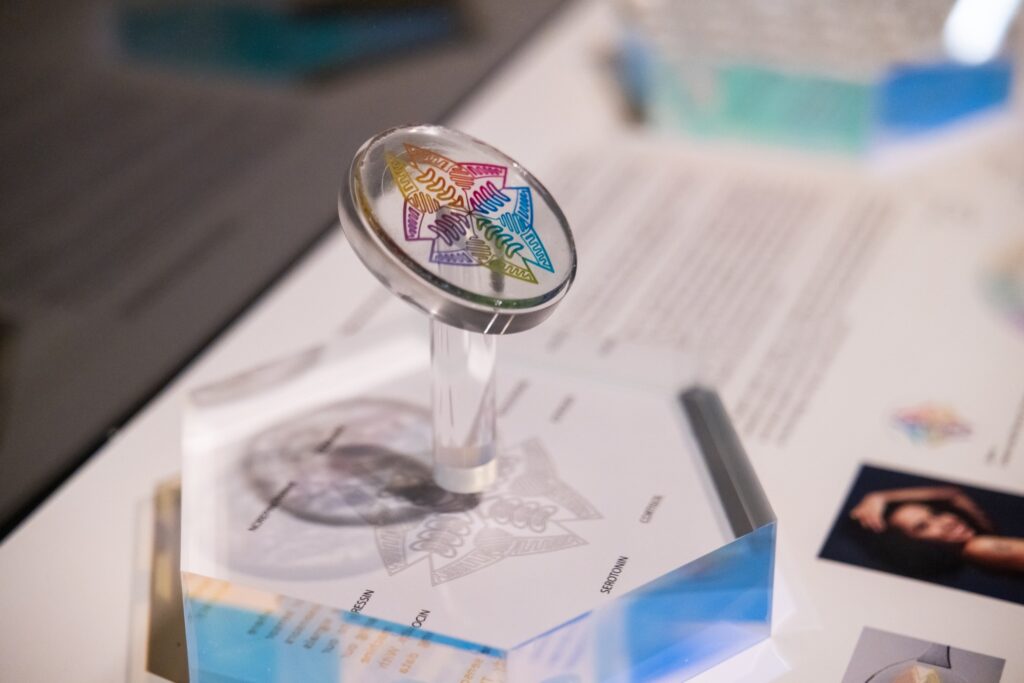
Ephemeral, 2024

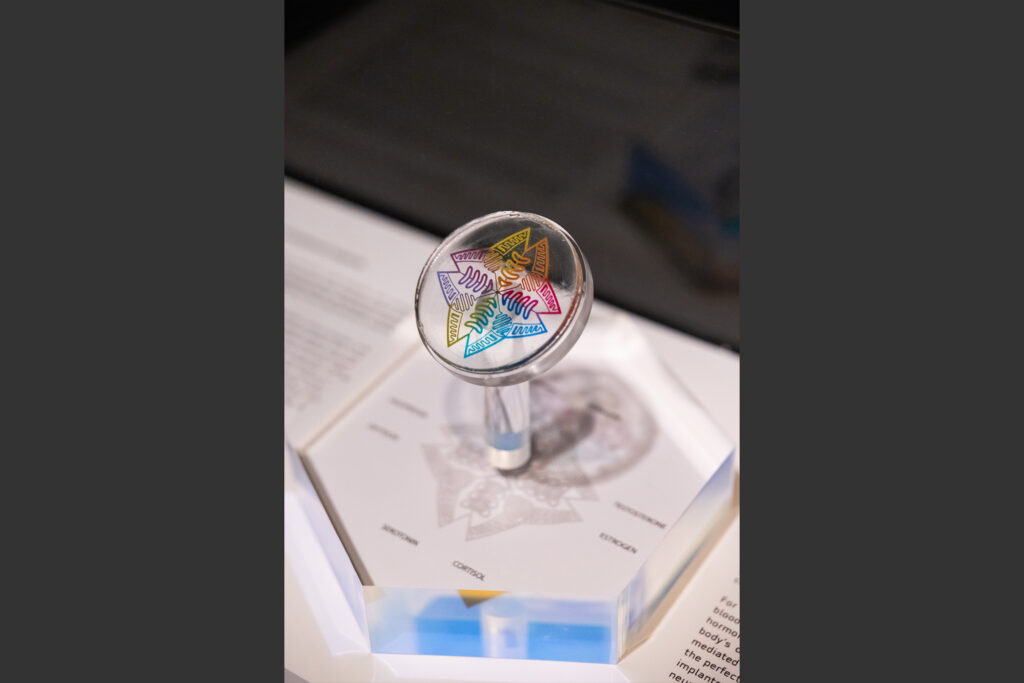
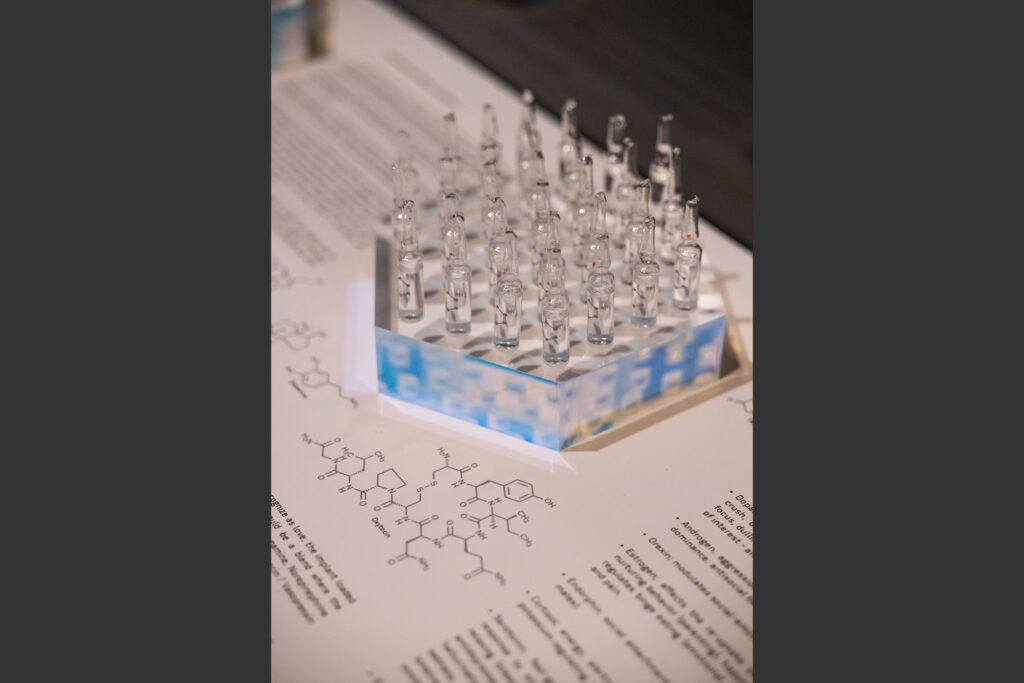
Speculative transdermal implant prototype designed to release synthetic emotions, dimensions variable; Courtesy of the artist; Commissioned by the Beall Center for Art + Technology’s Black Box Projects residency program

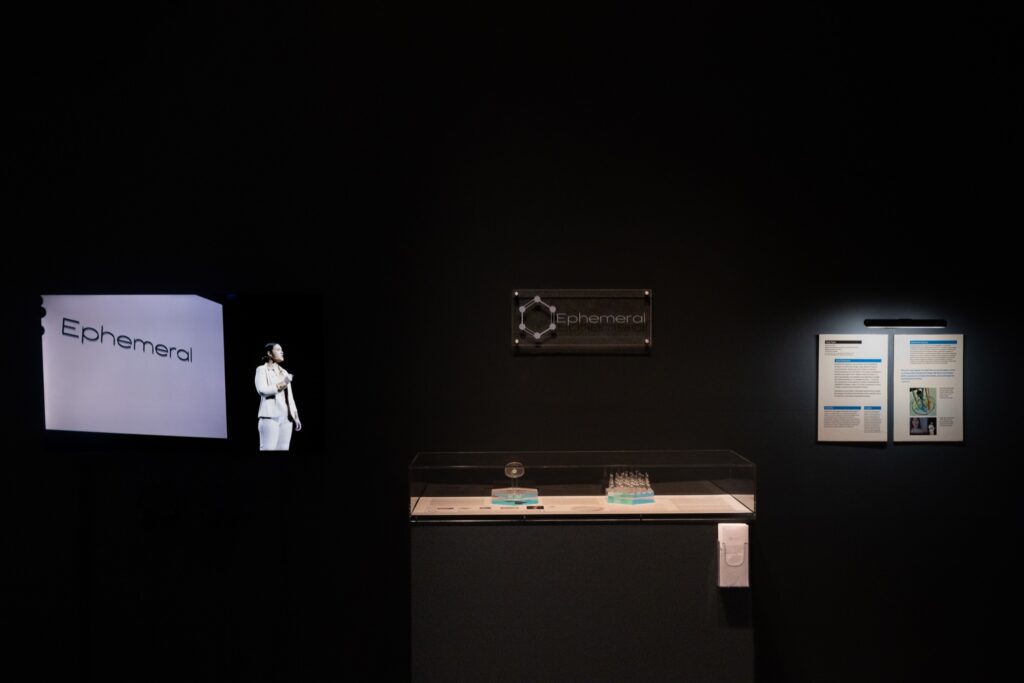
Ephemeral imagines a future where venture capitalists embrace “emotion technology,” speculating far beyond current emotion-sensing devices limited to analyzing facial expressions and biometrics. The project prototypes a transdermal implant which detects chemical levels in a user’s bloodstream and releases neuropeptides to trigger the artificial sensation of a targeted emotion—including love, excitement, or the feeling of a brand. The Ephemeral installation includes a video of a fictive conference in which a future company is promoting the implant. Intended as a provocation, the project explores the complex physiology of emotions and reminds of the uncertain future humans face with advancing biotechnologies.

→ Behind the Science

Ephemeral draws from research into neuropeptides—biochemical messengers that pass signals between neurons—and their complex effects on emotions. Consensus remains unclear as to the precise combinations of neuropeptides that produce specific emotions, given the complexity of cultural, environmental, and genetic factors influencing emotional responses. Research is currently underway to develop implant devices with the ability to sense chemical levels in the blood, such as neuropeptides, and administer tailored doses of medications directly into the bloodstream. During her residency with the Beall Center, Tapio worked with microfluidics researchers to imagine the ever-more-realistic future of such technologies.

“This work interrogates the belief that we can precisely control our living bodies through technology. We have a very limited ability to grasp very complex information, such as the layered mechanisms of emotion.” —Hege Tapio
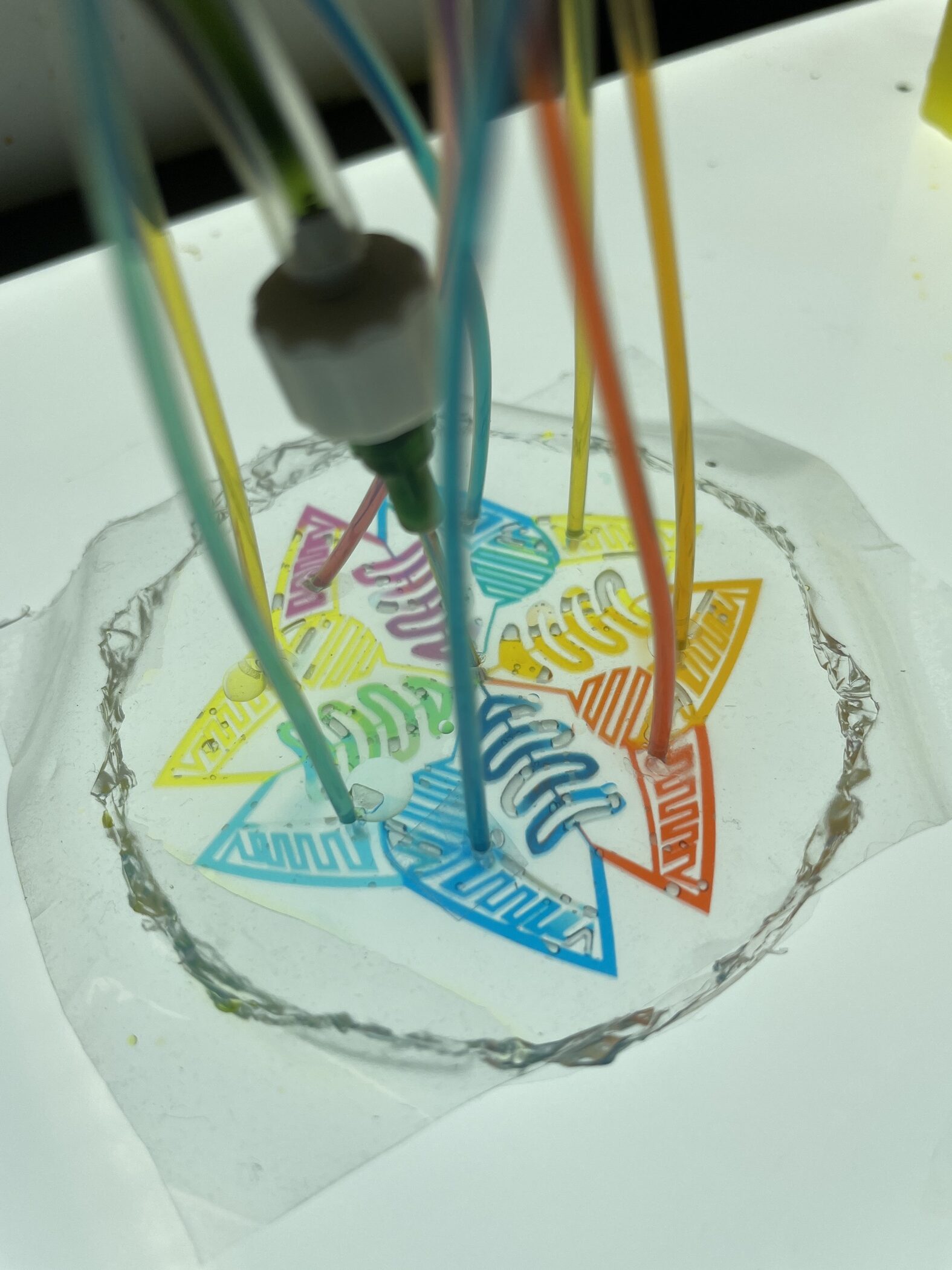
Hege Tapio, Ephemeral (process detail), 2024.
Digital image showing production of microfluidic implant
Courtesy of the artist.
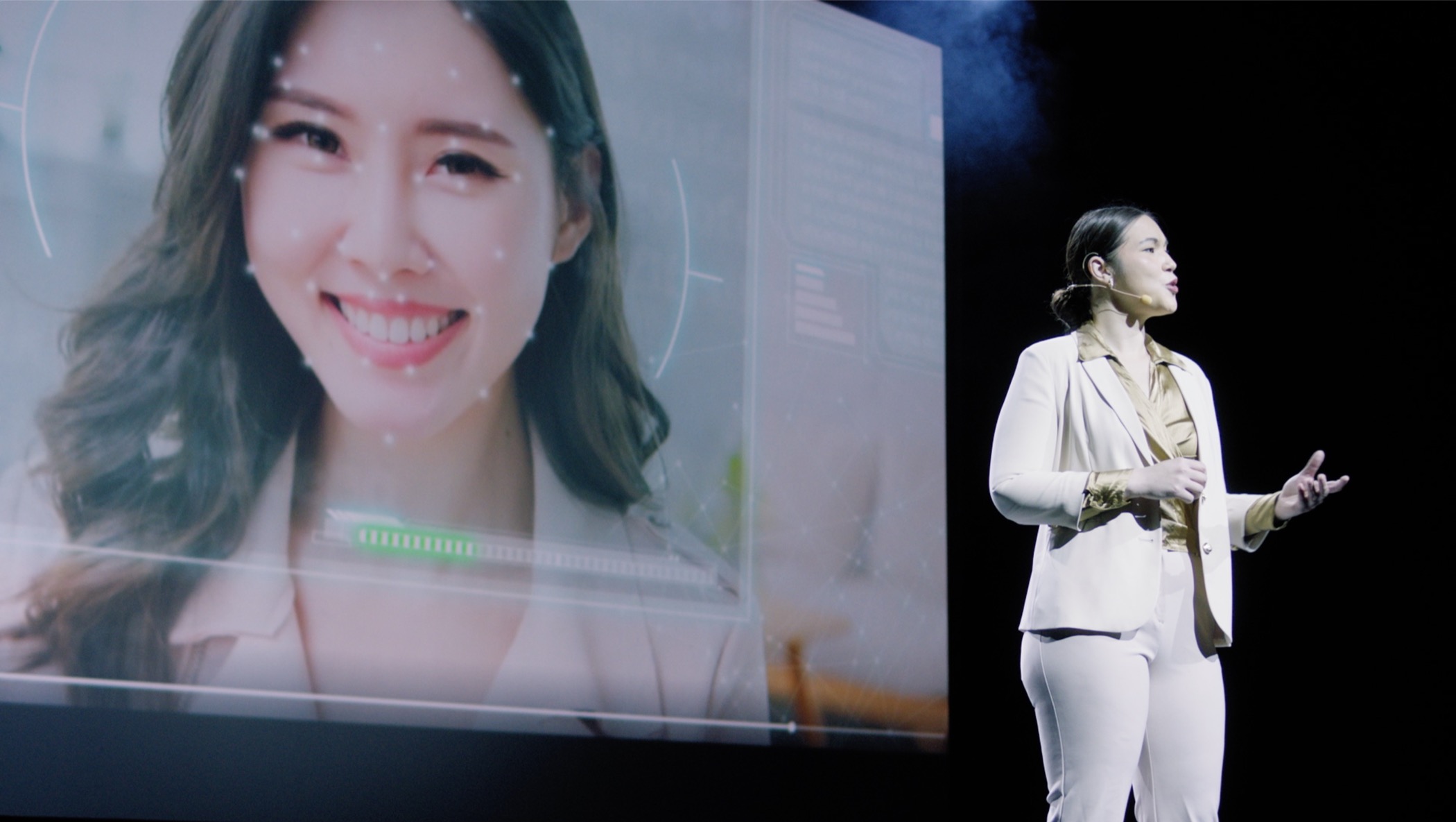
Hege Tapio, Ephemeral, 2023. Video still from Ephemeral film. Videography: Bo B. Randulff
Courtesy of the artist.

Hege Tapio is a Norwegian artist based in Stavanger, the country’s oil capital. Tapio is currently pursuing artistic research with FeLT (Futures of Living Technologies) and is an interdisciplinary PhD fellow at the Innovation for Sustainability Program at OsloMet. Her practice examines the body as a landscape for “extreme self-mining” in bio-art installations, videos, and performances. She is the founder and director of i/o/lab – Center for Future Art, where she produced and curated a biennial from 2006–16.

Ephemeral was made possible with support from the UC Irvine Beall Center for Art + Technology, The Beall Family Foundation, and Getty. The project’s short movie was shot and edited by Bo B. Randulff, starring actor Barbara Bang. Filming locations were provided by Stavanger Concert House and Stavanger University. The microfluidic implant device was made in collaboration with Elliot Hui (Samueli School of Engineering at UC Irvine) and UC Irvine PhD candidates Kayla Gee, Samir Malhotra and Yoo Na Kim.
Conversation: Hege Tapio

Gail Wight

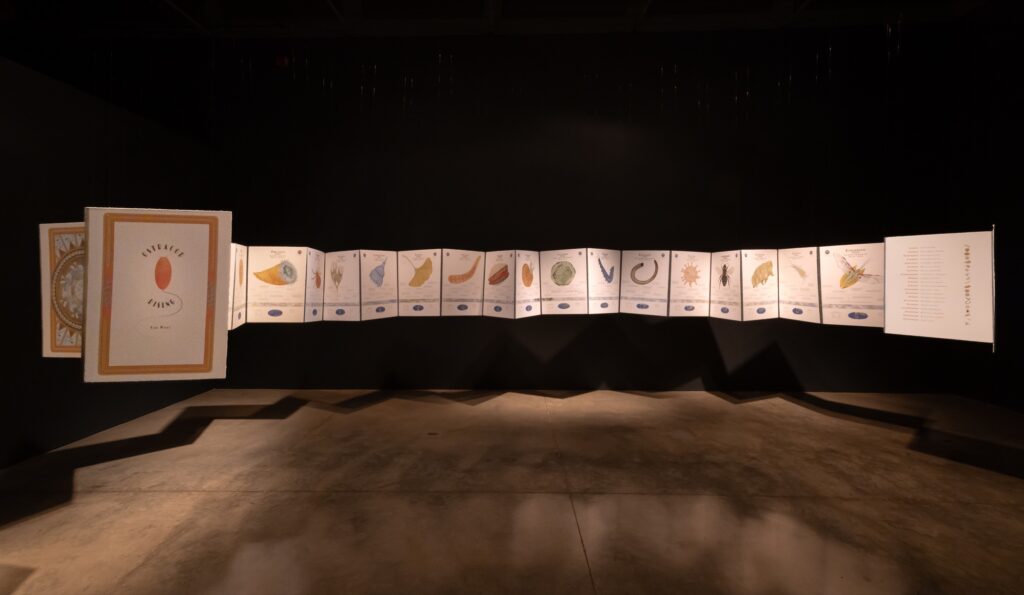
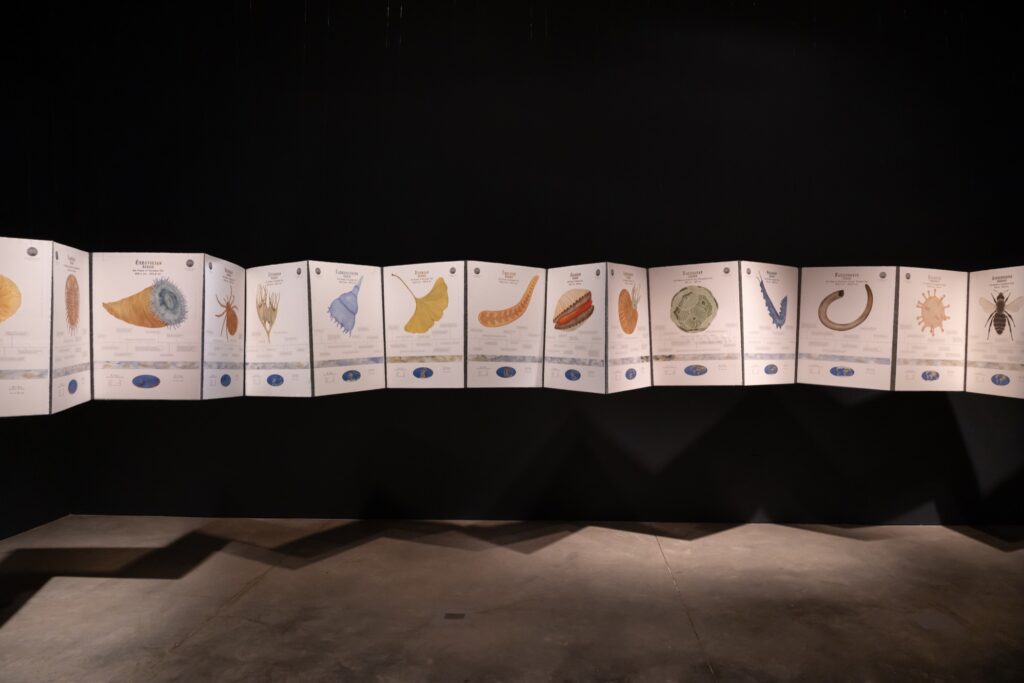
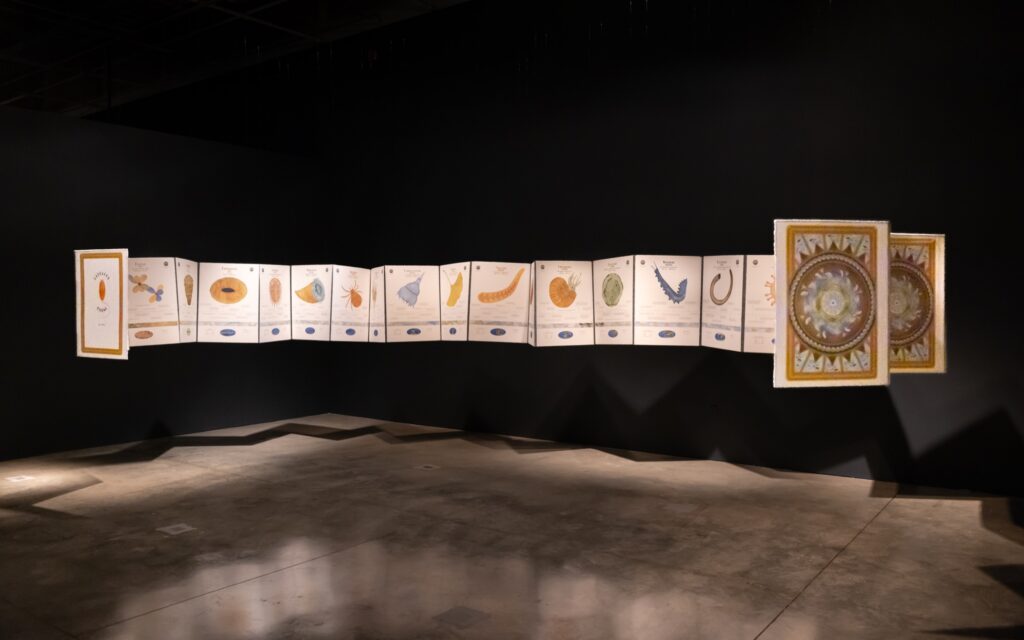
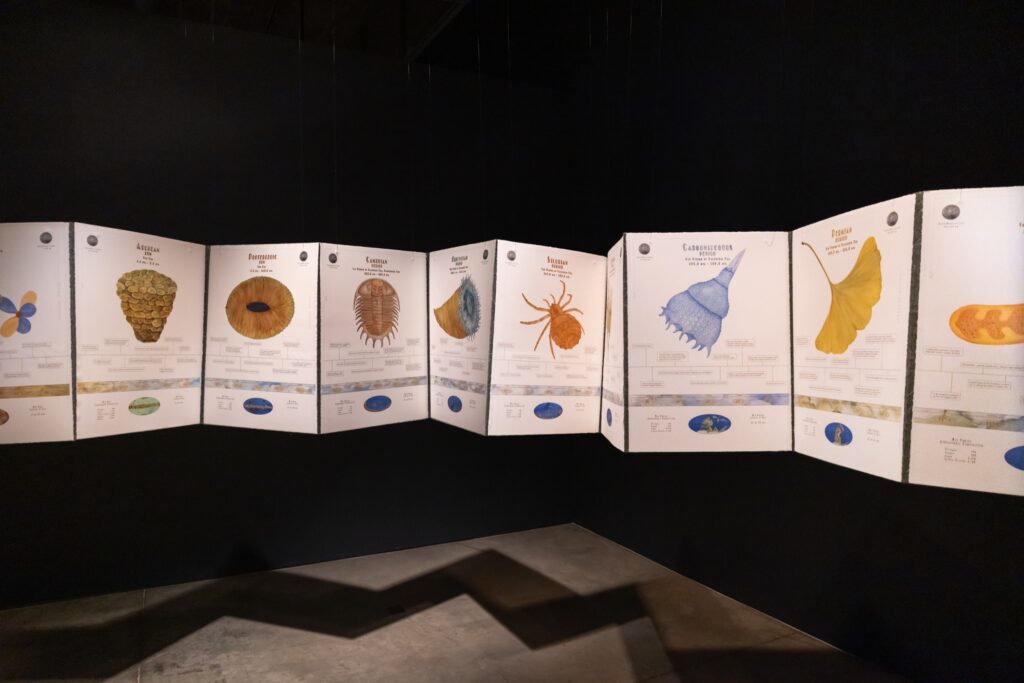
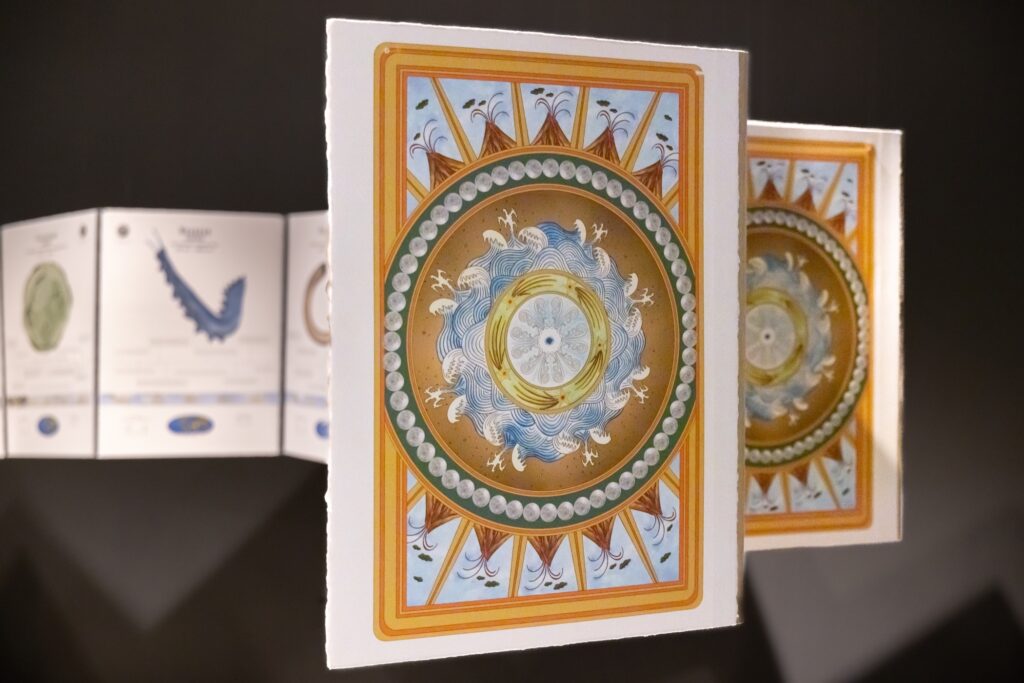
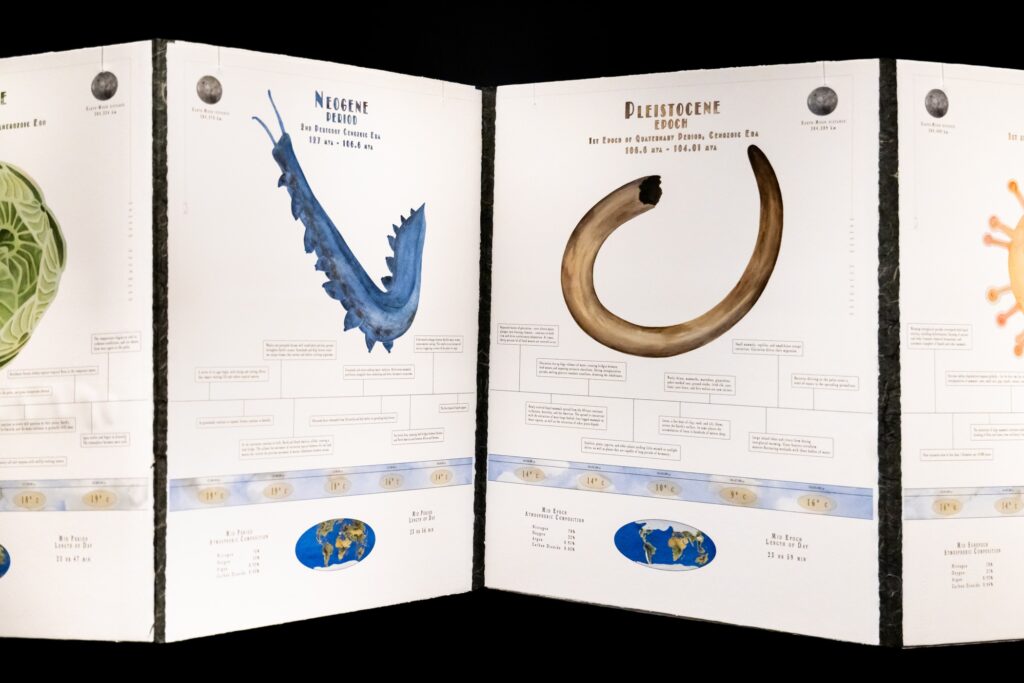
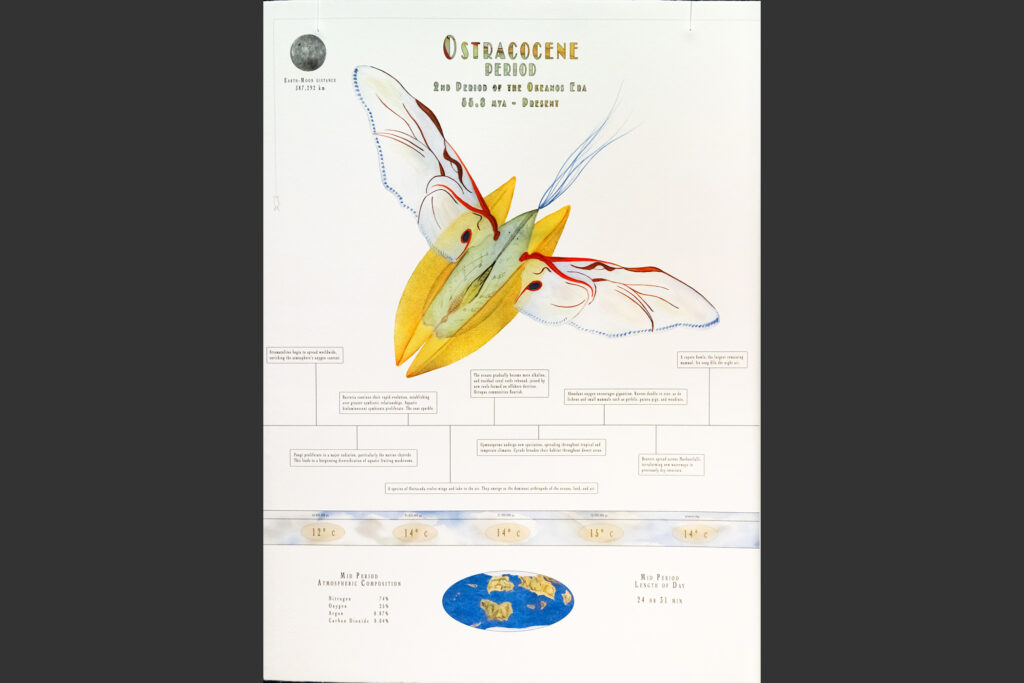
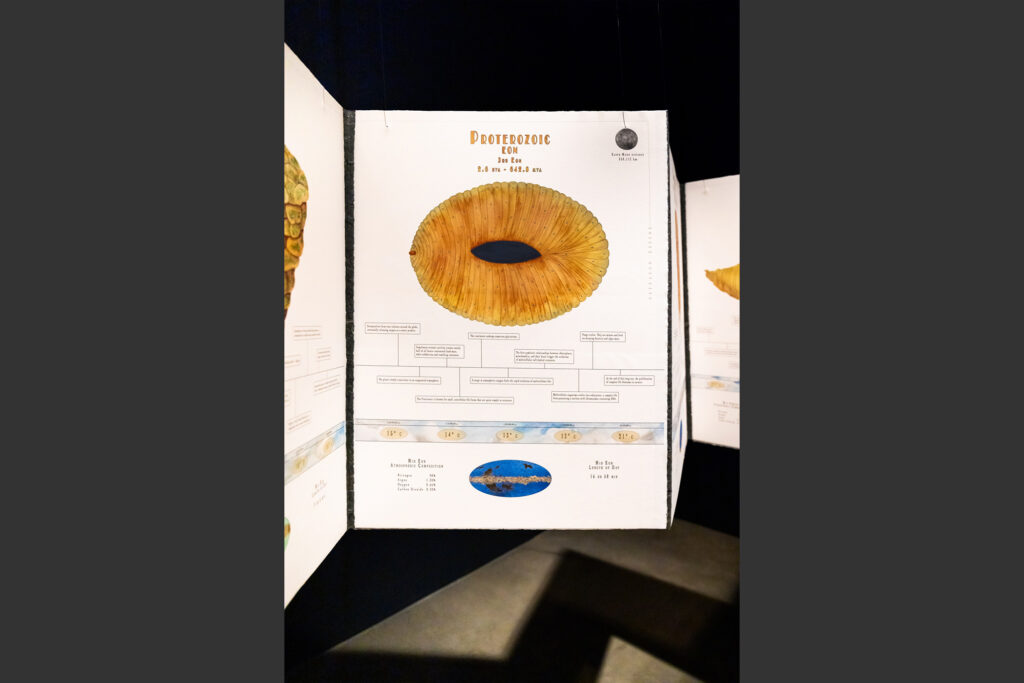
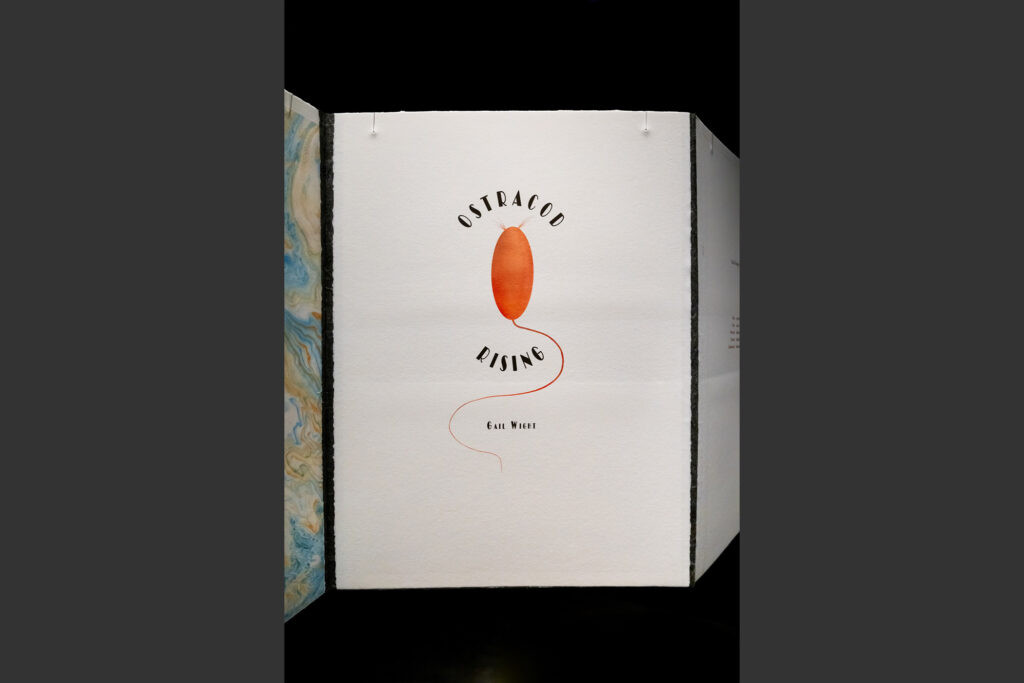
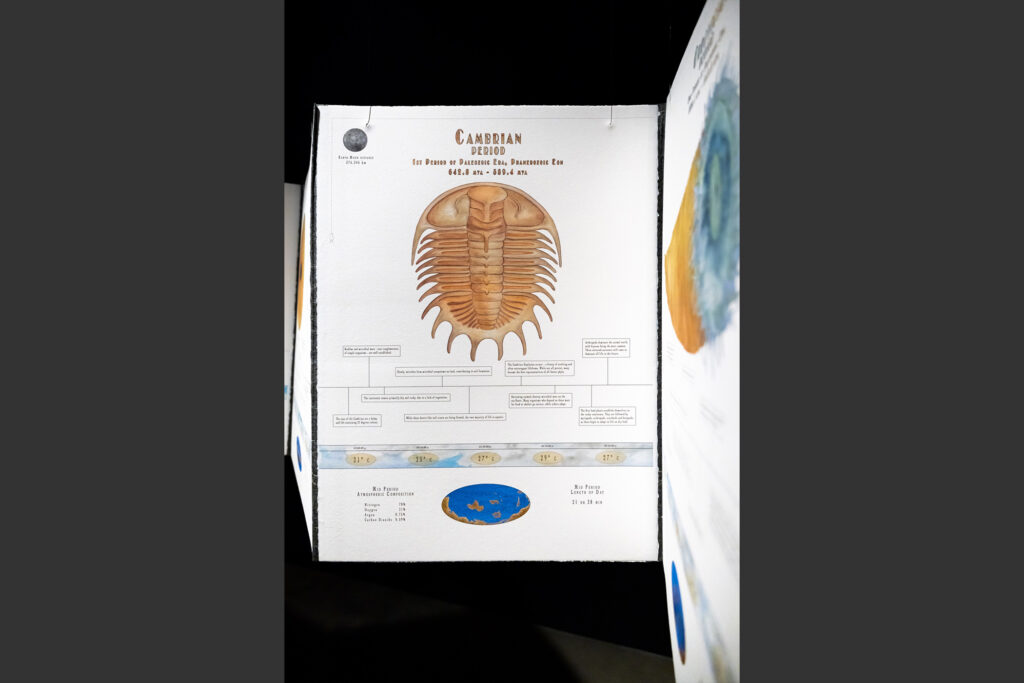
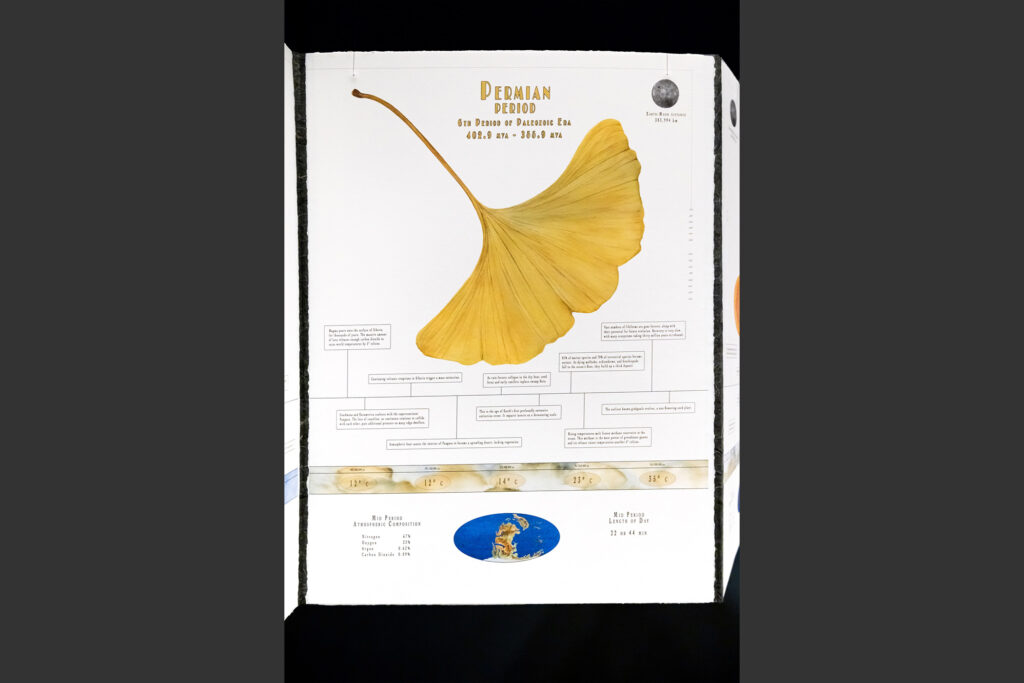
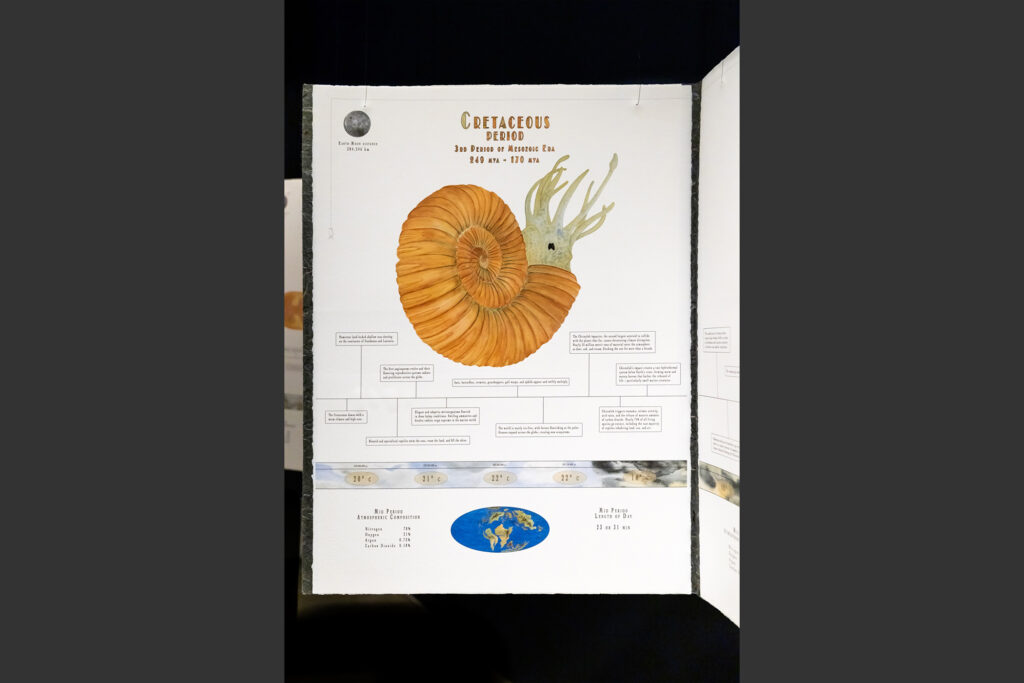
Ostracod Rising, 2024

Pigment prints on watercolor paper, accordion binding, 26 pages, 23 x 30 inches each; Courtesy of the artist. Commissioned by the Beall Center for Art + Technology’s Black Box Projects residency program

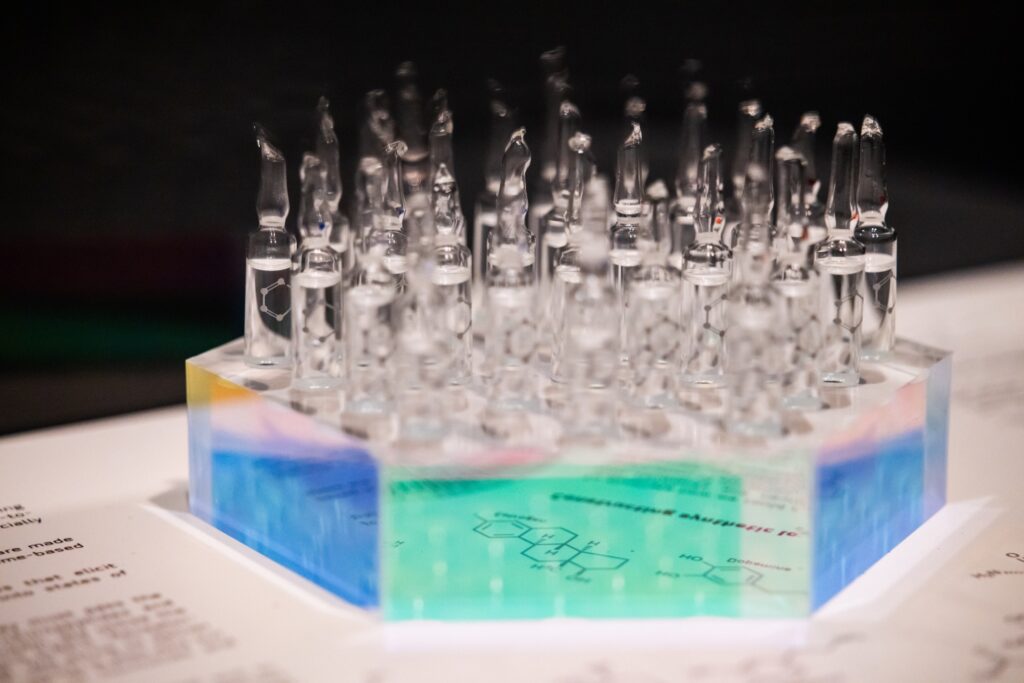
Ostracod Rising explores the intertwined relationships between Earth’s rotation and atmosphere, the moon’s proximity, shifting tectonic plates, the rise and fall of sea levels, and the ebb and flow of life as envisioned over a 4.6 billion-year timeline. The project touches on previous extinctions and anticipated future extinctions, de-centering the traditional anthropocentric account of Earth’s history in favor of the populations of small creatures who have thrived on Earth for hundreds of millions of years. The ostracod is among the planet’s most numerous species, destined to emerge from the seas and take to land and sky in this speculative and hopeful future.

→ Behind the Science

We tend to make sharp distinctions between living and nonliving systems (biology, geology, physics), but they are deeply intertwined. Four billion years of geophysical forces—from the spin of the earth to tidal patterns to volcanic explosions—have profoundly influenced Earth’s life forms. Small creatures have had an overwhelming impact on this dynamic. Cyanobacteria created the oxygenated atmosphere that allowed our evolution. Innumerous bacteria inhabit our skin and our guts, support our food production, and consume our waste products. Ostracod Rising pays homage to this world of tiny beings and posits a bright future in which they reign supreme.

“The work is a story that I’ve chosen to tell about how the Earth’s systems have operated in the past, where they are now, and how they might be in the future. The emergence of new patterns and behaviors becomes obvious in this book, as do feedback loops, seen in the call and response dynamics between symbiotic species.” —Gail Wight

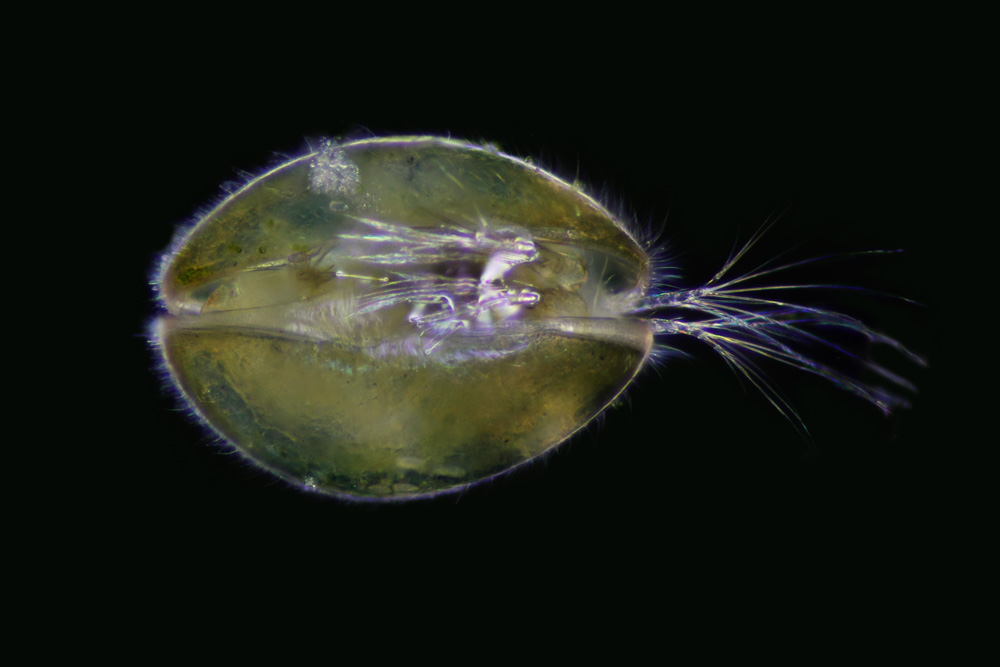
Ostracod in darkfield, 2010
Digital microscopy image
© Specious Reasons
Courtesy of flickr. CC BY-NC 2.0, https://www.flickr.com/
photos/28594931@N03/

Gail Wight is a visual artist constructing biological allegories through book arts, video, and experimental media. She holds an MFA from the San Francisco Art Institute, where she was a Javits Fellow, and a BFA from Massachusetts College of Art. Wight’s art has been exhibited internationally and is held in numerous publicand private collections. She is Professor Emerita in Stanford University’s Department of Art & Art History, where she continues to teach book arts and hybrid printmaking. Hexapodarium (2017), a publication about her work, includes essays and a conversation between Wight and writer Lawrence Weschler.

Ostracod Rising was made possible with support from the UC Irvine Beall Center for Art + Technology, The Beall Family Foundation, and Getty. Thank you to the following for their assistance with Ostracod Rising: Rhiannon Alpers, Anthony Barnosky, Elizabeth Hadley, Jasper Ridge Biological Preserve, Allison Stegner, and Charon Vilnai.

Conversation: Gail Wight

María Fernández

María Fernández is an associate professor at the Cornell Department of History of Art & Visual Studies. Her research and teaching concern three areas and their intersections: the history and theory of digital and new media art, Latin American art, and feminist media art, with attention to postcolonial/decolonial theories. She is the author of Cosmopolitanism in Mexican Visual Culture (Texas University Press 2014), for which she won the Arvey Book Award by the Association for Latin American Art in 2015. She is now writing a book on the work of British cybernetician Gordon Pask, and on the contributions of women artists working in new media to posthumanism and new materialisms.

Pinar Yoldas

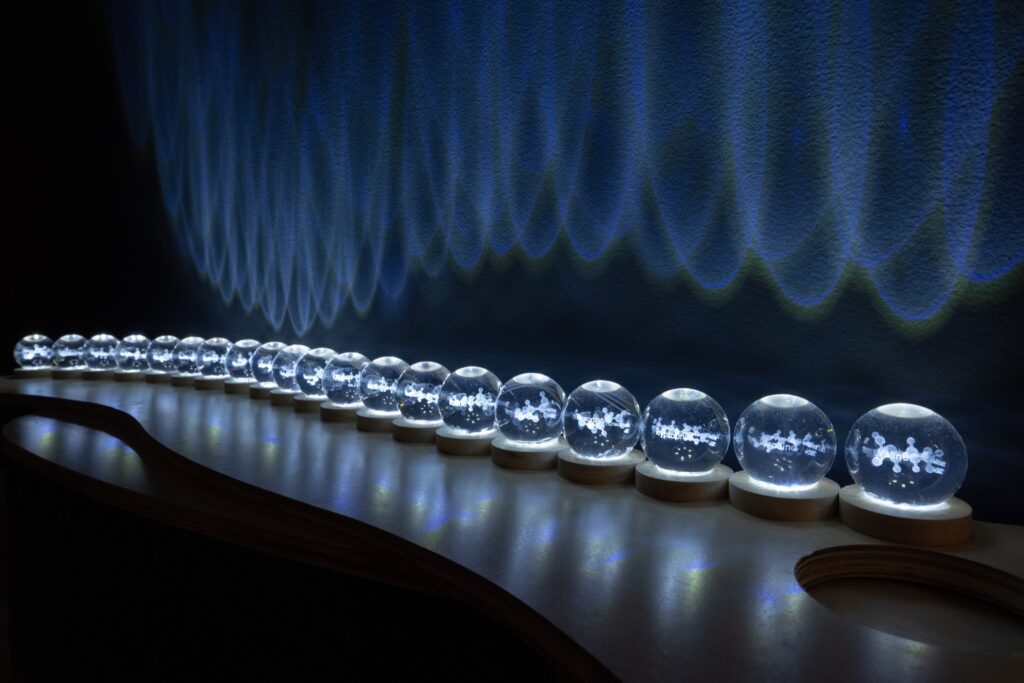
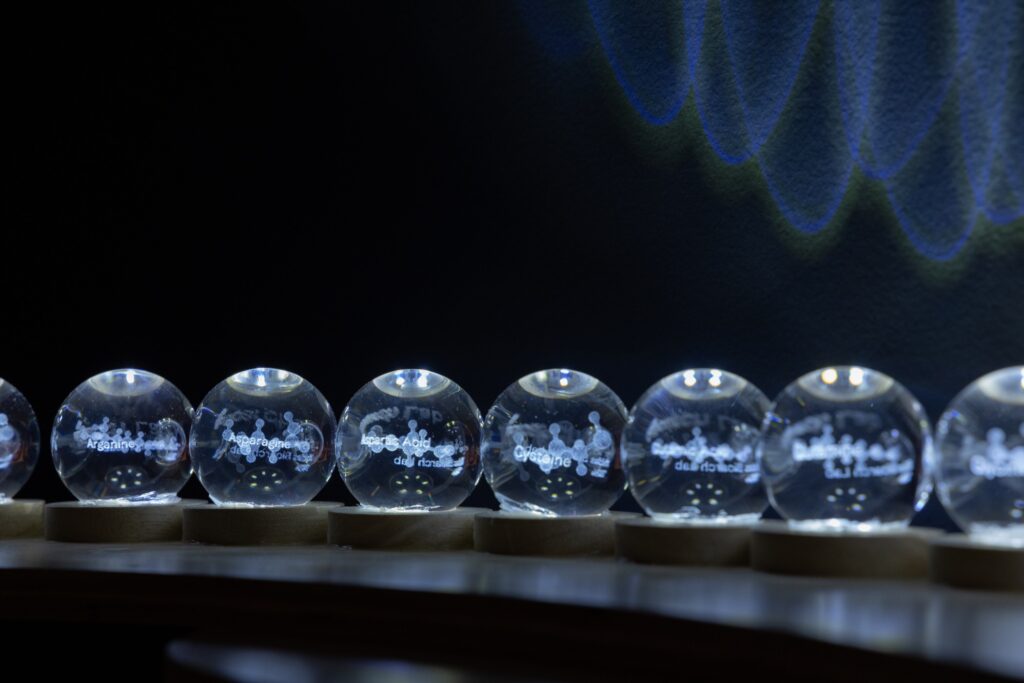
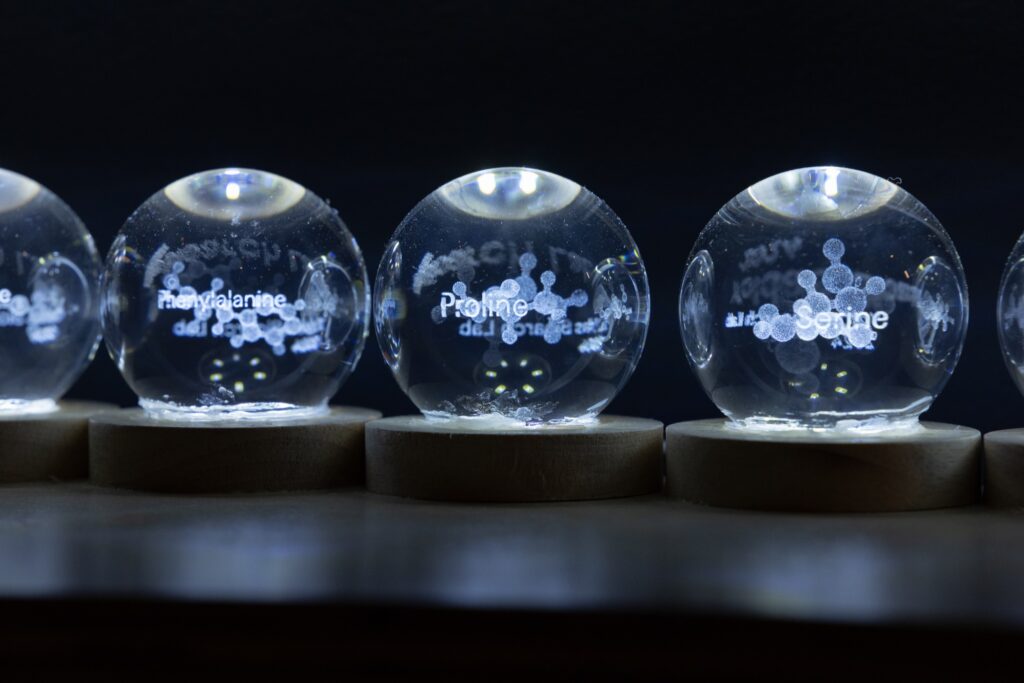
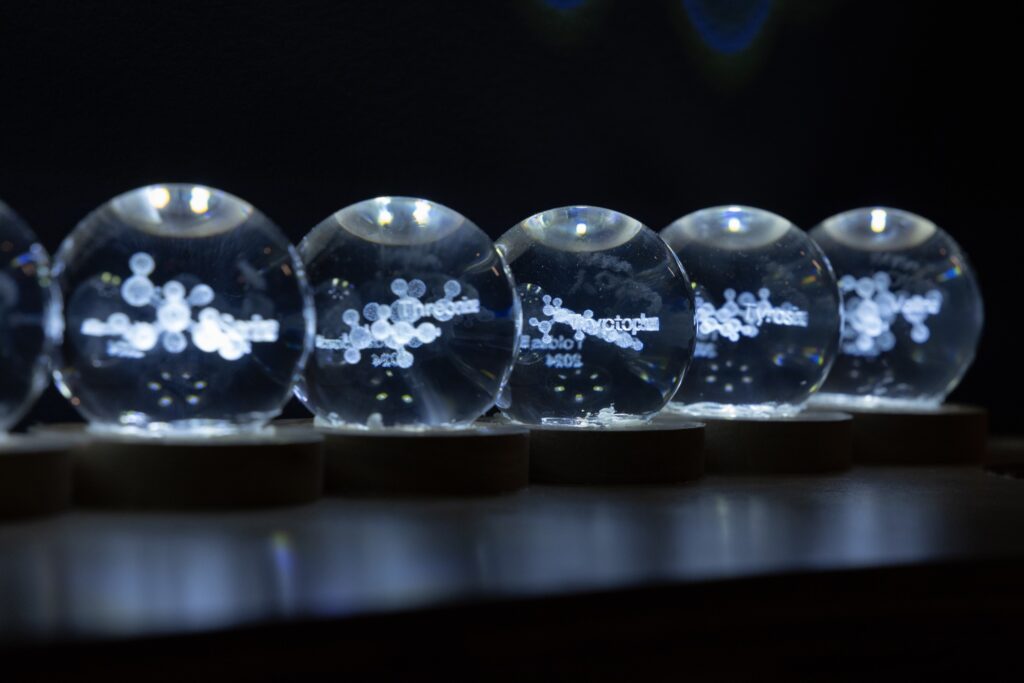
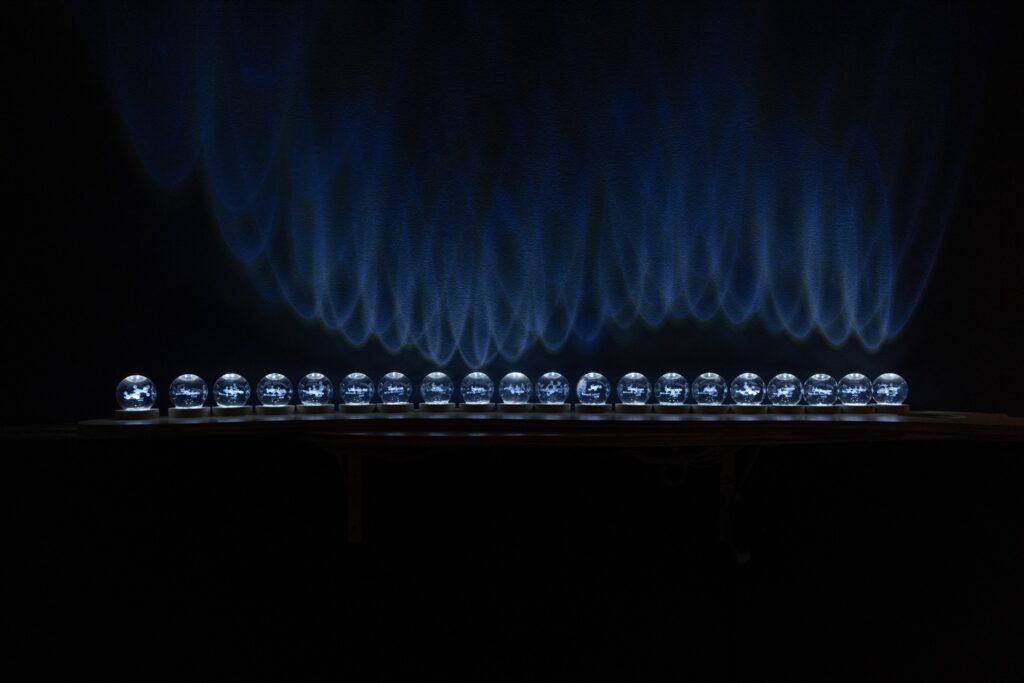
Alphabet of Life, 2024

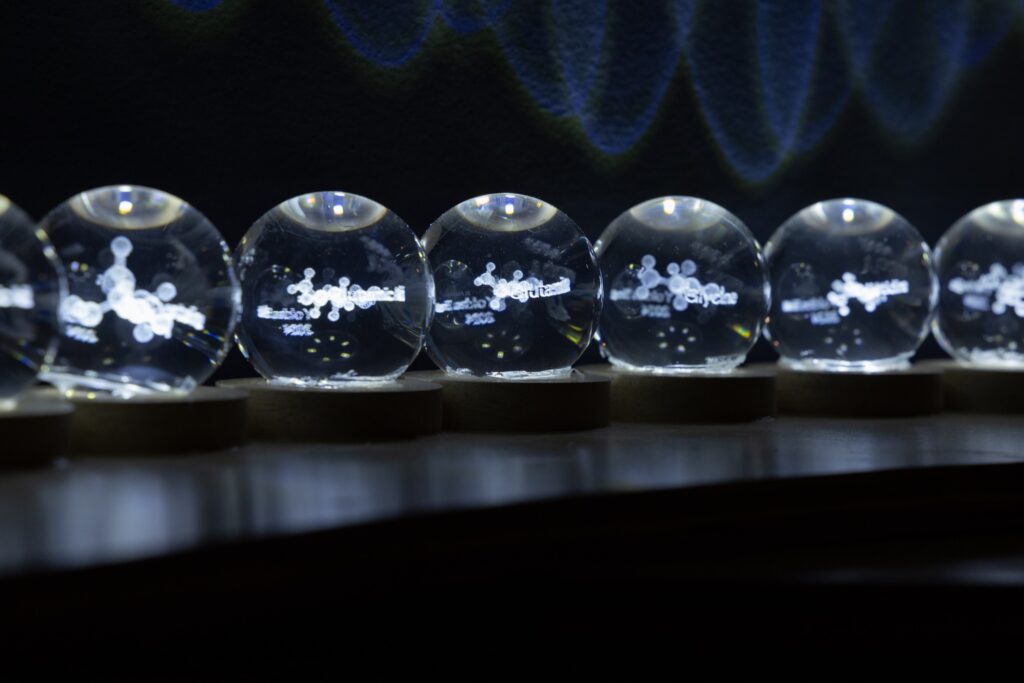
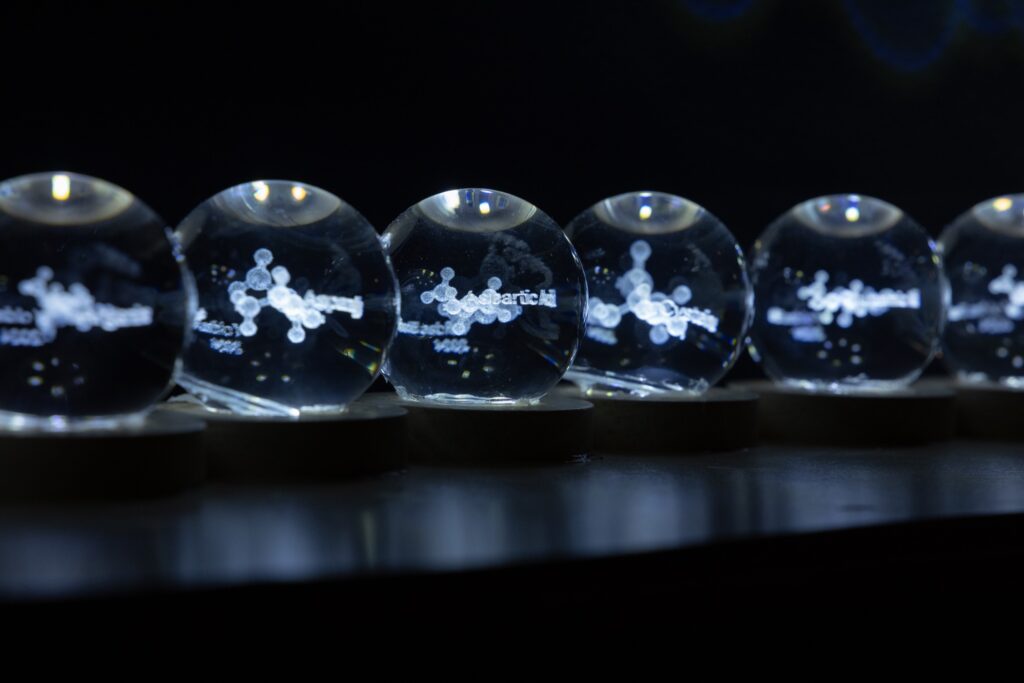
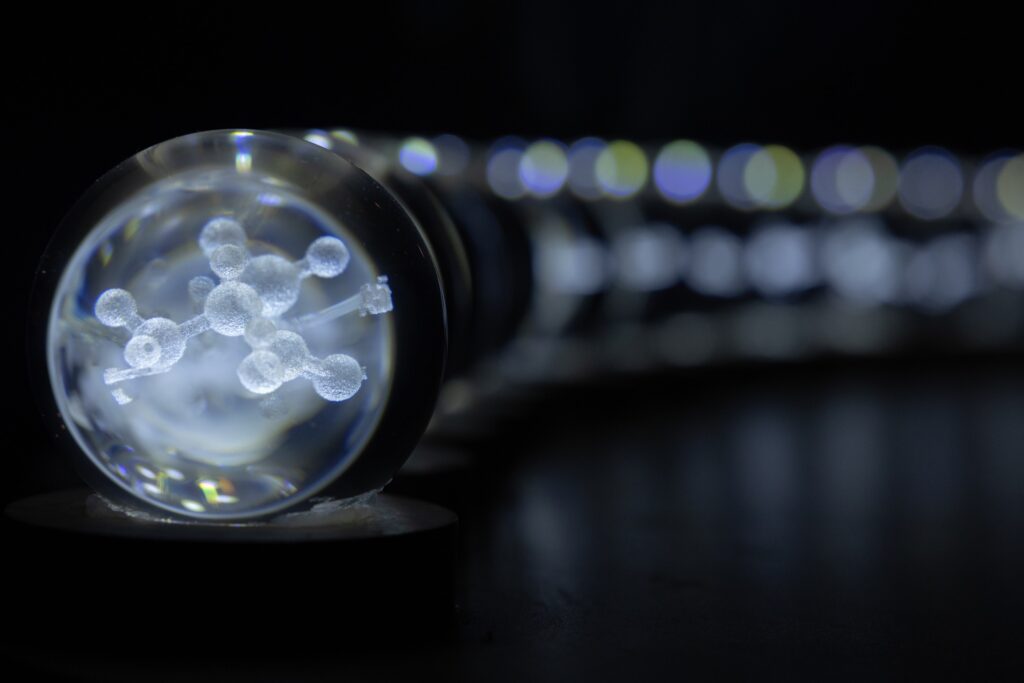
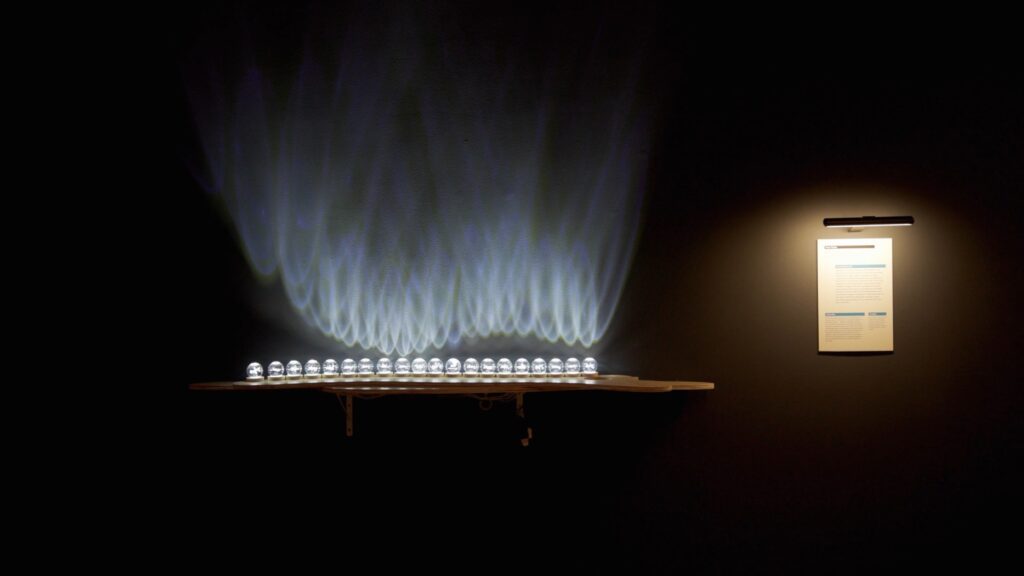
Installation of laser-etched glass spheres, 5 x 81 x 13 inches; each sphere 4 inches in diameter; Courtesy of the artist

Alphabet of Life is an immersive art installation that explores the molecular essence of life itself: the twenty primary amino acids. These molecules are used to construct the proteins that sustain all living organisms. They are the fundamental “building blocks” of life. In the installation, the intricate beauty of each amino acid is revealed through a meticulous process. Each amino acid’s molecular structure is sourced from the Protein Data Bank, transformed into 3D printable file formats, and refined to capture its essence. These structures are then laser-etched into glass orbs, creating a visual and tactile representation of the molecules that drive life’s complexity.

Pinar Yoldas describes herself as an “infradisciplinary” designer, artist, and researcher. Her practice begins from biological sciences — often from “speculative biology” — and is realized through digital technologies, architectural installations, kinetic sculpture, sound, video and drawing. The thematic areas of her interest include posthumanism, eco-nihilism, anthropocene and feminist technoscience. Originally from Istanbul, Turkey, Yoldas moved to Los Angeles in 2006 to pursue an MFA at UCLA and later a PhD at Duke University. She is an Associate Professor in the Visual Arts Department at University of California, San Diego.

This presentation of Alphabet of Life is supported by The Beall Family Foundation and Getty. Additional support was provided by the Linda Brandes Foundation, the City of San Diego, Buttgenbach Foundation, the Tippett Foundation, and SAHA Association.

Ellen K. Levy

Ellen K. Levy was co-curator of the 2002 traveling exhibition, Complexity, and is an advisor to the Future Tense project. Levy is a multimedia artist and writer known for exploring art, science and technology interrelationships since the mid-1980s. Her works explore complex systems and some of the unintended consequences of technology. She was President of the College Art Association before earning her doctorate from the University of Plymouth on the art and neuroscience of attention. She then was Special Advisor on the Arts and Sciences at the Institute for Doctoral Studies in the Visual Arts. Levy has additionally received an AICA award, an arts commission from NASA following, and a solo exhibition at the National Academy of Sciences (NAS) among other prestigious honors.